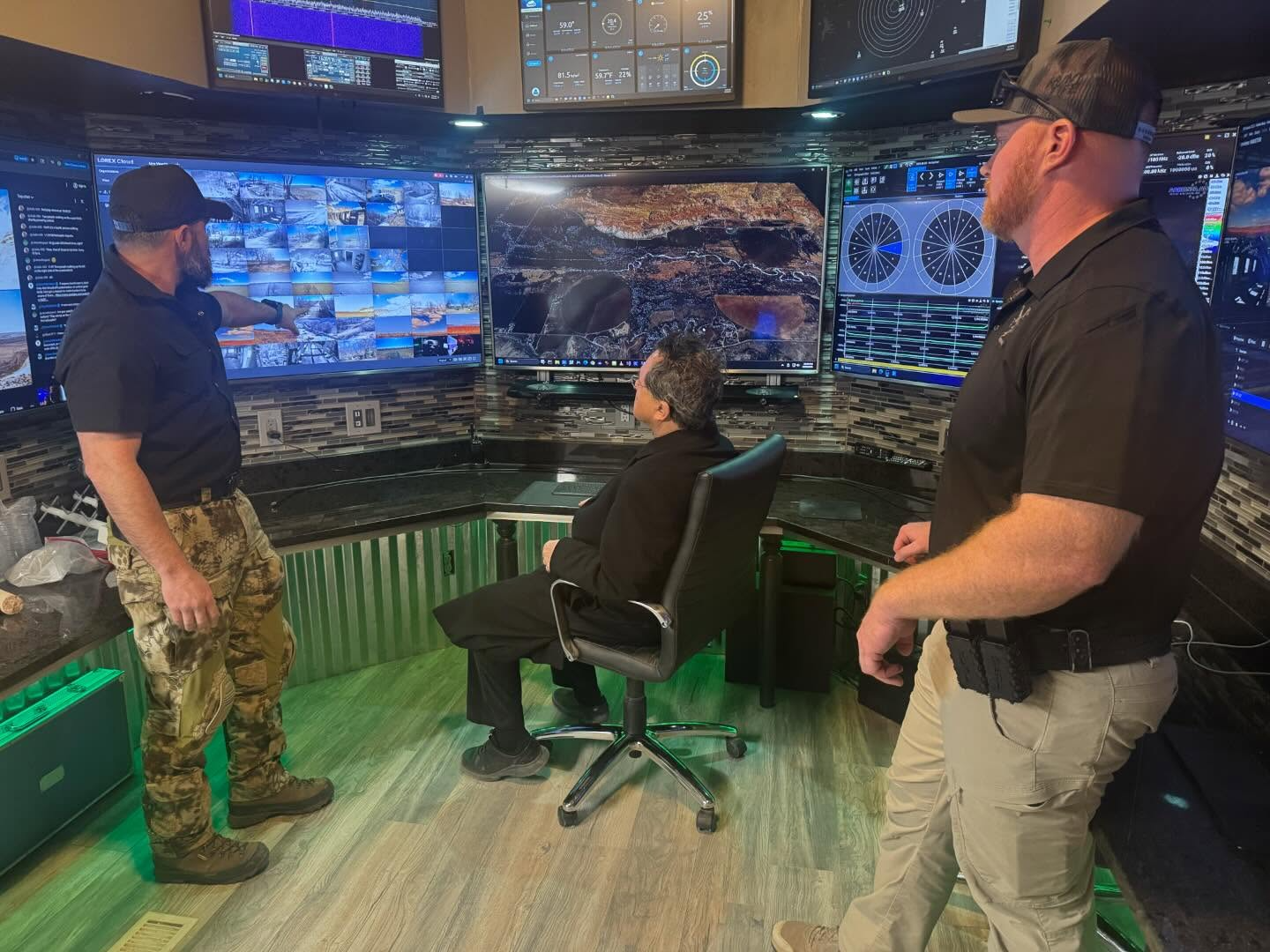
Tension escalated inside the mobile Command Center at Skinwalker Ranch when a major high-energy field experiment resulted in a sudden, total power loss across the primary monitoring grid. As Dr. Travis Taylor, Erik Bard, and the field crew were actively conducting a coordinated test involving radio frequency transmission arrays and aerial monitoring devices, the interior lighting fixtures flickered violently before going completely dark, halting live data acquisition and triggering emergency protocols.
The sudden system failure created a moment of genuine alarm inside the trailer, with the team scrambling to assess whether the blackout was induced by an external electromagnetic phenomenon or a severe physical circuit overload.
On camera, the sudden loss of telemetry screens and primary power was framed as a dramatic confrontation with an invisible, energy-absorbing force hovering above the Triangle. However, electrical engineers, systems integrators, and facility managers offer a clear, highly technical explanation for why portable power grids experience catastrophic drops during high-load field tests.
The temporary research setup at Skinwalker Ranch relies on a hybrid power distribution network. High-powered computing workstations, multi-channel video monitors, live-feed satellite transmitters, and heavy field lighting rigs are powered through a combination of rural utility lines and heavy-duty portable diesel generators operating in a remote desert environment.
When the research team initiates high-voltage or high-frequency inductive experiments—such as operating industrial-grade Tesla coils or high-output transmission arrays—the instantaneous current draw placed on the shared electrical circuit spikes exponentially. This extreme surge in amperage creates a classic electrical condition known as a voltage sag or brownout.
When input voltage drops below the minimum threshold required to power regulated digital power supplies, sensitive computing hardware and fluorescent lighting ballasts shut down automatically to prevent damage. Furthermore, modern commercial generators are equipped with automated magnetic circuit breakers designed to trip instantly when current draw exceeds safe operational limits, cutting off power before copper wiring can overheat or spark an electrical fire.
Despite the mundane physics governing electrical circuit capacity, the moment underscored the immense technical challenges of conducting complex scientific research in remote, off-grid locations. Operating sensitive, high-precision electronic equipment in a desert environment presents continuous logistical hurdles, where dust accumulation, ambient heat, and temporary wiring setups constantly push hardware to its absolute operational limits.
Following the brief outage, the ranch team successfully reset the primary circuit breakers, restored power to the Command Center monitors, and resumed their monitoring protocols. The incident highlights the delicate balance required when running particle-level energy tests off temporary electrical infrastructure, providing viewers with yet another unforgettable look into the high-stakes reality of field research at Skinwalker Ranch.