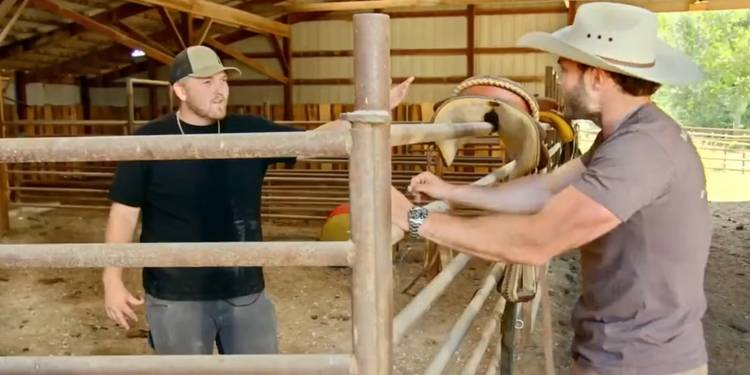
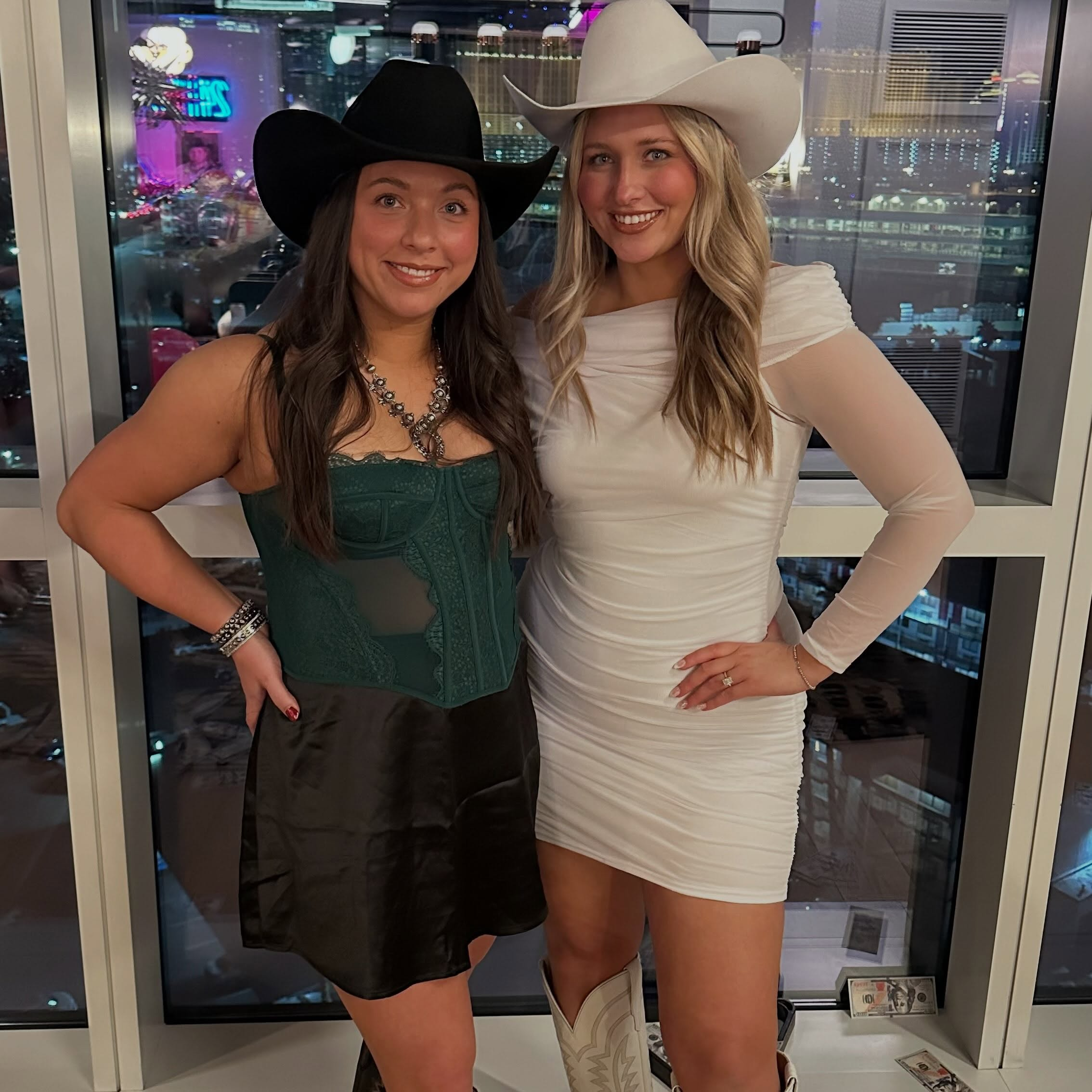
In the contemporary landscape of entertainment media, reality television has evolved far beyond mere unscripted drama. It frequently serves as a high-visibility microscope examining modern entrepreneurship, family enterprise dynamics, and complex commercial partnerships. Bravo’s hit series The McBee Dynasty: Real American Cowboys provides a quintessential case study in how interpersonal relationships, agricultural operations, and burgeoning consumer packaged goods (CPG) brands intersect—and occasionally collide.
At the epicenter of the series’ recent drama is a sharp confrontation involving Steven McBee Jr., his partner Kacie, and an equity dispute over a rapidly growing niche skincare brand centered around beef tallow. What initially appeared to be a straightforward corporate expansion quickly metastasized into a masterclass on governance vulnerabilities, brand ownership, and the perils of informal commercial agreements.
1. The Rise of Beef Tallow: From Farm Byproduct to Premium Skincare
To fully understand the commercial stakes featured on the show, one must first analyze the market context of the product in question: artisanal beef tallow skincare. Over the past three years, the holistic health and CPG sectors have witnessed a dramatic resurgence in heritage, animal-based cosmetic formulations. Positioned as a nutrient-dense, chemical-free alternative to petroleum-based synthetic moisturizers, beef tallow—rendered cattle fat rich in vitamins A, D, E, and K—has transitioned from an overlooked agricultural byproduct into a high-margin luxury commodity.
Driven by viral momentum across digital platforms like TikTok and Instagram, boutique skincare brands centered on rendered tallow have achieved explosive year-over-year revenue growth. Margins in this sector are exceptionally lucrative: raw tallow sourced at minimal cost per pound can be rendered, whipped, combined with essential oils, and packaged into premium glass jars retailing anywhere from $30 to $80 per unit.
Industry Overview: The Tallow Skincare Boom
The natural skincare segment has seen animal-fat formulations grow at an estimated compound annual growth rate (CAGR) exceeding 14%. Low raw material input costs coupled with high consumer willingness-to-pay create an ideal recipe for high gross margin ventures, provided brand equity and formulation rights remain secure.
Within the universe of The McBee Dynasty, founder Kacie identified this market opportunity early. Utilizing specialized formulation techniques and leveraging the rustic, authentic narrative of the McBee cattle ranching operation, she built a distinct brand identity. However, as is common in early-stage startups, the boundary between raw material supplier and brand owner was left dangerously porous.
2. Anatomy of the Conflict: Equity, Promises, and Unilateral Decisions
The central drama erupted during Season 3 when Steven McBee Jr. made a proposal that sent shockwaves through both the cast and viewers familiar with business fundamentals. Seeking to incentivize his girlfriend, Allie Eklund, to participate more fully in the brand and the show’s narrative, Steven Jr. unilaterally suggested offering her a significant 20% equity stake in Kacie’s beef tallow skincare enterprise under the banner of becoming a prominent brand ambassador.
This proposal ignited an immediate, fierce backlash from Kacie, and for good reason. From a corporate governance perspective, the move represented an egregious overreach of authority and a fundamental misunderstanding of equity allocation:
Sweat Equity vs. Raw Material Supply: While the McBee cattle ranch served as the primary supplier of the tallow base, supplier status does not automatically grant equity ownership in a downstream finished goods company unless explicitly structured via a joint venture agreement.
Dilution Without Valuation: Granting a 20% stake in an emerging brand without formal business valuation or investment capital dilutes the original founder’s ownership and future voting power.
Unilateral Promises: Equity cannot be promised by a third party—even a close business partner or cattle supplier—without formal board approval or unanimous consent from existing equity holders.
“Equity is the most expensive currency an early-stage company possesses. Handing away a fifth of a company as a promotional gesture without legal vesting schedules or capital injection is a recipe for catastrophic corporate breakdown.”
3. Comparative Matrix: Reality TV Framing vs. Legal Realities
Television editing thrives on dramatic tension, often framing business disputes as emotional personal betrayals. However, examining the incident through a legal and commercial lens reveals a stark contrast between televised narrative framing and statutory business realities:
Dimension Reality TV Narrative Framing Actual Legal & Commercial Reality Equity Grant A generous offer to bring a romantic partner into the “family enterprise.” Potential breach of fiduciary duty or unauthorized attempt to convey unissued equity. Supply Relationship Ranch ownership implies automatic ownership of all derived products. Supply agreements are separate legal contracts from IP ownership and equity structures. Brand Ambassador Role Promotional presence rewarded with permanent company ownership. Typically compensated via fee-for-service, royalty percentage, or performance-vested stock options. Dispute Resolution Confrontational arguments filmed during social gatherings. Operating Agreement execution, mediation, or formal buyout negotiations. 4. Critical Business Lessons for Modern Entrepreneurs
While the dispute on The McBee Dynasty makes for captivating television, it serves as a cautionary tale for modern founders, particularly those operating in the CPG space or collaborating with family and romantic partners. Key takeaways include:
A. Formalize Operating Agreements on Day One
The vast majority of early-stage founder disputes stem from ambiguity. An Operating Agreement (for LLCs) or Shareholders’ Agreement (for Corporations) must clearly delineate who owns what percentage of the company, how decisions are made, and what constitutes a quorum for issuing new shares. Without these documents signed upfront, informal verbal commitments created during dinner conversations can easily lead to costly litigation.
B. Separate IP from Supply Chain Operations
If a product relies on raw materials from a specific farm, ranch, or facility, this relationship should be governed by a formal Supply Agreement. The agreement should outline pricing terms, volume commitments, and quality standards. Critically, it must explicitly state that supplying raw materials confers no intellectual property (IP) rights or equity in the finished consumer brand.
C. Construct Purpose-Driven Influencer Agreements
Bringing in brand ambassadors or high-profile personalities—such as Allie Eklund in the context of the show—is a standard CPG strategy. However, equity grants should be extremely rare and strictly governed by Vesting Schedules. If equity is offered, it should vest over a multi-year period based on clear, quantifiable milestones (e.g., reaching specific sales targets or media impressions).
5. Navigating Social Media, Fake News, and Content Moderation
For digital content creators, media outlets, and fan page administrators covering broadcast drama like The McBee Dynasty, this storyline highlights an equally crucial lesson regarding content moderation and journalism standards. In recent years, major social platforms (including Meta and TikTok) have deployed aggressive automated algorithms to flag misleading content, clickbait, and defamation.
When reporting on business feuds featured in unscripted television, creators must maintain precise editorial standards to avoid triggering platform sanctions or account bans:
Maintain Explicit Context: Always clarify that the events depicted originate within a televised unscripted program. Framing a televised dispute as a real-world criminal act or local legal indictment often leads to platform flags for misinformation.
Avoid Sensationalized Legal Claims: Using hyperbolic phrasing such as “Stole Corporate Assets” or “Illegally Seized Company” can trigger automated defamation checks. Utilize accurate terminology such as “Disputed Equity Proposal” or “Unilateral Stake Offer.”
Focus on Educational Value: Transforming salacious entertainment gossip into actionable educational commentary—analyzing corporate structure, CPG trends, and contract law—not only elevates the content quality but also protects the publisher under fair use and commentary guidelines.
Conclusion: The Path Forward for The McBee Dynasty
As Season 3 of The McBee Dynasty unfolds, the drama surrounding the beef tallow skincare business illustrates the delicate equilibrium required when running a modern family enterprise in front of millions of viewers. For Kacie, protecting her brand’s integrity and equity remains paramount. For Steven McBee Jr. and the broader McBee family, learning to respect corporate boundaries is essential to sustaining long-term commercial success.
Ultimately, whether on a Missouri cattle ranch or in a Silicon Valley boardroom, the fundamental principles of business hold true: clear contracts, respected boundaries, and sound corporate governance are the only reliable remedies against devastating conflict.
Editorial Disclaimer: This article is an independent analytical review based on broadcast episodes of The McBee Dynasty (Bravo TV). It is intended for educational and commentary purposes regarding business governance, media trends, and intellectual property.
When Personal Ties Imperil Business Equity: Deconstructing the Beef Tallow Skincare Feud on Bravo’s The McBee Dynasty